Reviewing the Minimalist Triple Leaf Embroidery Design
As a designer who has spent years staring at digitized patterns and watching needles dance across fabric, I have developed a keen eye for what works in the real world. We often get swept up in complex, high-density machine embroidery design files that promise visual impact but deliver puckered fabric and broken threads. That is why I was genuinely intrigued when I pulled up the Minimalist Triple Leaf Embroidery Design. It sits quietly in the Single Flowers category, but its potential extends far beyond simple floral motifs. This review breaks down how this pattern performs when moved from the screen to actual embroidery project execution.
First Impressions: The Power of Restraint
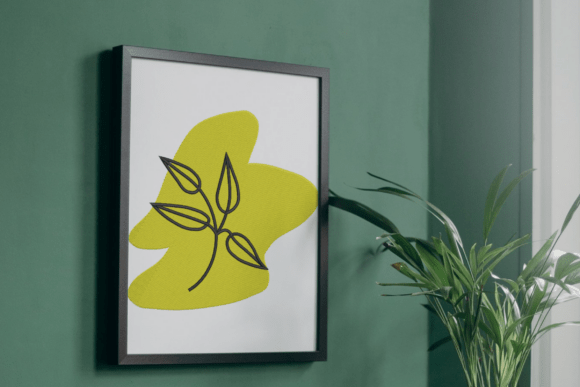
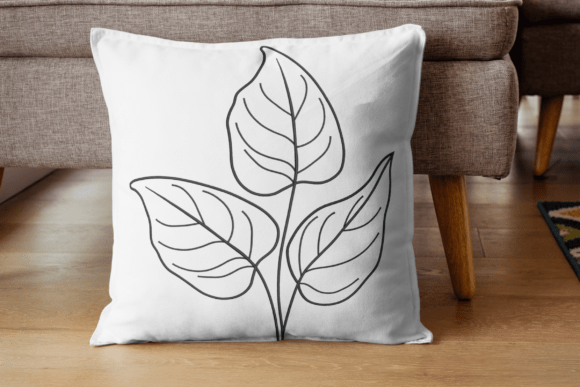
The first thing you notice about this embroidery file is its confidence in negative space. In an industry where more is often mistaken for better, this design chooses clarity. The layout features three distinct leaves arranged in a balanced, organic cluster. There is no excessive detailing or chaotic fill patterns. Instead, the visual personality relies on clean lines and a sophisticated botanical touch. For those of us creating design assets for modern brands, this minimalism is gold. It feels contemporary, calm, and intentionally curated.
The mood it creates is one of understated elegance. It does not shout for attention; rather, it invites a closer look. This makes it exceptionally versatile for handmade product lines that aim for a boutique aesthetic rather than a craft-fair cluttered look. Whether you are using a satin stitch for defined edges or a lighter fill stitch for texture, the simplicity of the shape ensures that the stitching remains crisp and readable.
Real-World Application: From Mockup to Merchandise
To truly evaluate a design, you must imagine it on a physical object. I recently considered this pattern for a custom order involving organic cotton tote bags. The client wanted something that felt earthy but refined. The Minimalist Triple Leaf Embroidery Design was the perfect candidate. Because the design is not overly dense, it sits beautifully on medium-weight canvas without causing the fabric to warp or pucker. This is a critical consideration for any tote bag design where structural integrity matters.
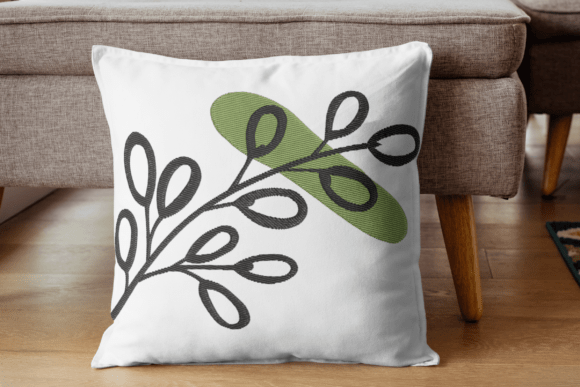
Beyond bags, I see immense potential in sweatshirt embroidery. A small placement of this triple-leaf motif on the left chest of a heavyweight fleece creates a subtle branding opportunity. It looks professional and expensive, which increases the perceived value of the finished product. For Etsy seller communities and small shop product creators, this kind of versatility is essential. You can use the same digital embroidery file to create a cohesive collection that includes aprons, pillow covers, and even embroidered patch applications.
Consider also the holiday embroidery market. While this is a nature-inspired pattern, its neutral elegance allows it to transcend seasons. It works as a spring refresh, a summer botanical accent, or even a subtle fall decoration depending entirely on your choice of thread colors. Olive greens, muted browns, or even stark white on dark navy can completely change the narrative of the piece.
Technical Considerations and Fabric Behavior
While the design is forgiving, it is not immune to the laws of physics. When working with stretchy fabric like jersey knits for custom apparel, you must be diligent with your stabilizer choice. Even though the stitch density appears low, any embroidery on stretch material requires proper support to prevent distortion after washing. I recommend a cut-away stabilizer for garments that will undergo frequent laundering, such as baby embroidery items or daily-wear t-shirts.
Another area requiring caution is dark fabric. If you are stitching light-colored thread on black or navy material, ensure your digitizing software has properly accounted for pull compensation. The minimalist nature of the leaves means there are fewer stitches to hide minor tension issues. Always test the design on scrap fabric first. Check the contrast between your thread and the background. A running stitch outline might disappear if the color match is too close, while a bold satin edge will pop.
For those interested in applique design techniques, this shape could easily be adapted. However, as it stands, it is best utilized as a standard stitched motif. Be mindful of hoop size constraints if you plan to scale it up significantly. While minimal designs scale well, pushing them beyond their intended resolution can result in jagged edges or visible pixelation in the stitch path. Always inspect small details at 100% zoom before loading the file into your machine.
Commercial Viability and Brand Consistency
For craft business owners, consistency is key to building trust. This design offers a reliable aesthetic that can become part of your brand signature. Because it is not overly trendy or gimmicky, it has longevity. Customers appreciate personalized gift items that feel timeless. A monogram paired with this triple-leaf element creates a sophisticated look that appeals to a wide demographic, from wedding gifts to nursery decor.
When creating printable mockup previews for your online store, remember that lighting and fabric texture play huge roles. This design looks particularly striking on textured fabrics like linen or waffle weave, where the smooth stitches contrast nicely with the rougher background. Use these visual cues in your marketing to highlight the quality of your commercial embroidery work.
Final Designer Notes
Before you commit to a large production run or list this as a new item in your shop, take these practical steps:
- Test on Scrap Fabric: Never skip this step. Verify that the tension is correct for your specific machine and thread combination.
- Check Licensing: Confirm whether the digital embroidery file allows for commercial use of the finished items. Most designers allow selling physical products but restrict reselling the digital file itself.
- Evaluate Stitch Density: Ensure the density is appropriate for your fabric weight. Too dense on thin fabric causes puckering; too sparse on thick fabric looks unfinished.
- Color Contrast: Test the design in black and white mockups to ensure the shape remains recognizable without color reliance.
- Placement Strategy: For curved surfaces like caps, keep the design small and centered to avoid distortion.
The Minimalist Triple Leaf Embroidery Design is a strong addition to any designer’s library. It respects the material it is stitched on and offers a clean, professional look that elevates simple goods into desirable merchandise. For creative entrepreneurs looking to refine their offerings, this pattern provides a solid foundation for high-quality, aesthetically pleasing work.