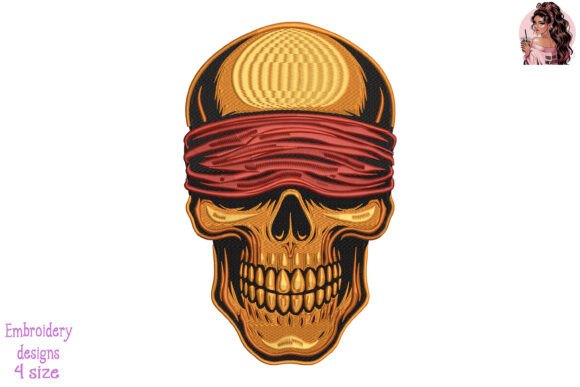
Reviewing Blind Judgement Embroidery for Craft Fairs
As an embroidery designer who has spent countless weekends behind a booth table, I know that the difference between a browsing customer and a buying customer often comes down to visual impact. When I first loaded the Blind Judgement Embroidery file into my software, my immediate reaction was one of intrigue. This is not your typical farmhouse floral or safe seasonal motif. It is a bold statement piece designed to cut through the noise of a crowded market. For those of us running small shop products or Etsy stores, finding designs that stop the scroll—or in this case, stop the walk—is essential.
First Impressions and Aesthetic Appeal
The description promises "Bold Statement Art for Modern Spaces," and the design delivers on that premise. While it falls under the Halloween category, it does not rely on clichéd pumpkins or ghosts. Instead, it offers a modern, slightly edgy aesthetic that appeals to a broader demographic. It feels decorative yet subversive, making it perfect for customers who want festive decor that doesn’t scream "seasonal discard" once November hits. The artistry merges bold lines with meticulous detail, suggesting a premium handmade quality that justifies a higher price point.
For a craft fair product, this visual weight is crucial. In a sea of pastel tote bags and gentle greetings, Blind Judgement Embroidery stands out as a conversation starter. It invites questions, and in retail, questions lead to sales. Whether you view it as funny, modern, or simply striking, it commands attention.
Product Applications for Maximum Sales
When planning my booth display, I always consider which substrates will best showcase a specific machine embroidery design. Here is how I see this design performing across various handmade products:
- Tote Bag Design: This is arguably the strongest application. A canvas tote provides a large, flat surface that allows the full scope of the artwork to shine. The bold nature of the design makes it a wearable statement piece, appealing to shoppers looking for unique accessories.
- Apron Embroidery: For the home chef with a sense of humor, this works beautifully on a bib apron. It transforms a utilitarian item into a giftable handmade product with personality.
- Tea Towel Embroidery: Kitchen textiles are high-volume sellers. However, caution is needed here. The design must be scaled correctly to ensure it doesn’t overwhelm the narrow width of a standard towel.
- Embroidered Patch: If the design can be digitized with a satin border, it makes an excellent iron-on patch. Patches are low-cost entry items that allow customers to buy into your brand without committing to a larger purchase.
- Pillow Covers: For home decor buyers, this adds a striking edge to living spaces. It works well on neutral linen or cotton covers where the thread colors can pop.
Production Practicalities and Technical Notes
Before you commit to batch production, there are critical technical factors to consider. As a digital embroidery file, its success depends heavily on how it interacts with fabric texture and stabilizer choices.
Stitch Density and Fabric Choice: Bold designs often carry higher stitch density to maintain clarity. On thick fabric like canvas or denim, this is rarely an issue. However, if you are using textured towels or lighter cottons, you must use the right stabilizer. A cut-away stabilizer is often safer for dense designs to prevent puckering, whereas tear-away might leave the edges unstable over time.
Small Details and Lettering: Review the design closely for tiny details. If Blind Judgement Embroidery includes fine lettering or intricate shading, test it at smaller sizes. What looks crisp on a screen can become a muddy blob when stitched at two inches wide. Always confirm hoop size compatibility. If the design requires a 5x7 or 6x10 hoop, ensure your machine and your product dimensions align.
Thread Colors and Contrast: The visual appeal relies on contrast. On dark fabric, you may need to adjust thread colors or add an underlay to ensure the design remains visible. Light threads on black canvas require precise tension settings to avoid showing the bobbin thread.
Marketing and Brand Consistency
For an Etsy seller or boutique maker, consistency is key. This design fits well within a brand identity that values modern, slightly irreverent, or artistic expression. It helps build a cohesive booth display strength when paired with other bold items. When creating your printable mockup or online listings, ensure the photography highlights the texture of the stitches. Close-up shots that show the quality of the finished product help justify the price.
Commercial embroidery rights are vital here. Before selling any finished product, confirm the licensing terms of the digital embroidery file. Most designers allow physical sales but prohibit sharing the file itself. Ensure you are compliant to protect your small shop product integrity.
Designer Checklist for Success
Before launching this as a core item in your inventory, follow these steps:
- Test on Scrap Fabric: Never skip the test stitch. Use the same fabric type you intend to sell.
- Check Thread Contrast: Ensure the chosen palette reads well from a distance.
- Review Spacing: Make sure elements aren’t too close together, which can cause thread breaks.
- Inspect Stitch Density: Look for areas that might be too dense for lightweight fabrics.
- Create a Real Mockup: Photograph the actual stitched item, not just a digital render.
- Compare Fabric Colors: See how the design looks on white, black, and natural tones.
In conclusion, Blind Judgement Embroidery is a versatile asset for the modern crafter. It moves beyond traditional holiday tropes to offer something with lasting visual appeal. By paying attention to production details like stabilizer choice and hoop size, you can turn this bold design into a best-selling craft fair product that resonates with customers looking for authenticity and edge in their handmade goods.