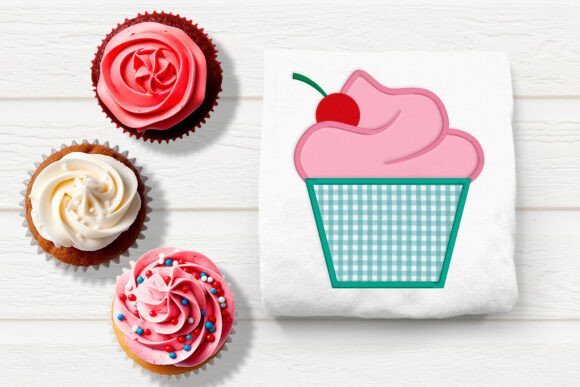
Review: Cupcake with Cherry Applique Embroidery Design
As a designer who spends more time staring at digitized stitch paths than I do sleeping, I have learned that not every cute graphic translates well to thread. When I first loaded the Cupcake with Cherry Applique Embroidery file into my software, my initial reaction was one of cautious optimism. The concept is timeless: a sweet Dessert theme that appeals to bakers, birthday celebrants, and anyone with a soft spot for handmade charm. But does it hold up under the needle? After running several test stitches on various fabrics, I am ready to share my practical assessment of this design for fellow crafters and small business owners.
First Impressions and Visual Appeal
The layout of this applique design is clean and balanced. Unlike some overly complex digital embroidery files that rely on dense fill stitches to create shape, this piece uses the fabric itself to do the heavy lifting. The cherry set into the frosting provides a natural focal point, drawing the eye upward and adding a pop of color contrast that is essential for visual interest. For an Embroidery project intended for home decor or apparel, this simplicity is a strength. It reads clearly from a distance, which is crucial if you are using it on a tote bag or a kitchen towel where the item might be viewed from across a room.
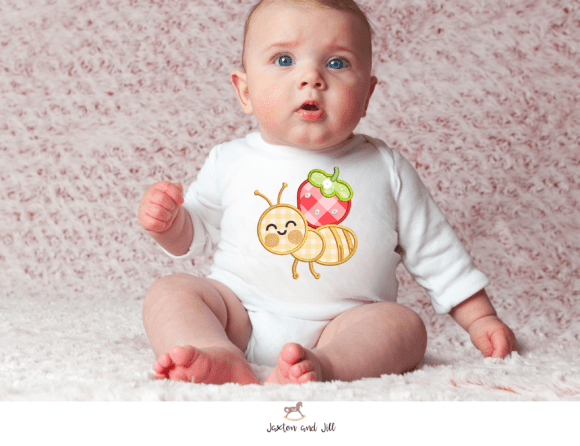
The mood is undeniably cheerful and inviting. It feels appropriate for a wide range of applications, from a whimsical baby onesie to a functional apron for a home baker. The design avoids the cluttered look that can plague smaller hoop projects, ensuring that the final product looks professional rather than amateurish.
Real-World Application Scenarios
To truly evaluate a machine embroidery design, you must imagine it in a real-life context. I recently used this cupcake motif for a custom order involving a set of linen tea towels for a boutique bakery. The client wanted something that screamed "homemade goodness" without looking childish. This design fit the bill perfectly. The applique technique allowed me to use a high-quality cotton fabric for the cupcake base, which blended seamlessly with the linen background, while the satin stitch border provided a crisp, finished edge.
Beyond kitchen linens, this design shines in custom apparel. I tested it on a heather grey sweatshirt, placing it slightly off-center on the chest for a modern, casual look. The result was a cozy, personalized gift that felt substantial and well-made. For Etsy sellers and craft business owners, this versatility is key. You can market this as a birthday design, a baking enthusiast’s gift, or even part of a nursery decor collection. The ability to scale the design across five included sizes means you can adapt it for everything from a tiny embroidered patch to a larger pillow cover statement piece.
Technical Performance and Stitching Clarity
From a technical standpoint, the transition between the placement stitch, the tack-down stitch, and the final satin or decorative border is smooth. In my tests, the registration was accurate, meaning the fabric did not shift noticeably during the trimming process. This is critical for applique designs, where misalignment can ruin the entire piece. The stitch density appears moderate, which helps prevent puckering on lighter fabrics. However, always remember that thread colors play a massive role in the final outcome. I recommend using a high-contrast thread for the border to define the shape clearly, especially if your base fabric and applique fabric are similar in tone.
For those new to applique, this design serves as an excellent learning tool. It teaches the importance of precise trimming and proper stabilizer use. Speaking of stabilizer, because this is an applique, you are adding layers of fabric. Ensure you are using a cut-away stabilizer for stretchy garments like t-shirts or sweatshirts to maintain the integrity of the design after washing. For woven fabrics like aprons or tote bags, a tear-away may suffice, but I prefer cut-away for longevity.
Considerations for Careful Use
While this design is robust, there are scenarios where you should proceed with caution. If you are working with very thin or slippery fabrics, such as silk or rayon, the weight of the applique fabric and the tension of the stitches could cause distortion. Always test on scrap fabric first. Additionally, be mindful of the hoop size. While the design comes in five sizes, using the smallest version on a textured fabric like terry cloth might cause the finer details of the cherry to get lost in the pile. In such cases, opt for a larger size or a smoother fabric background.
Dark fabrics present another challenge. If you are stitching on black or navy, ensure your placement stitch is visible enough to trim around accurately, perhaps using a water-soluble topping to keep the stitches from sinking into the fabric texture. Also, consider the end-use of the product. If this is going on a potholder or an item that will undergo frequent, hot washing, verify that your applique fabric is pre-shrunk and colorfast to avoid bleeding or warping.
Commercial Value and Brand Consistency
For handmade shop owners and digital product sellers, the commercial viability of a design is paramount. This cupcake design has high giftability. It evokes nostalgia and joy, two emotions that drive sales on platforms like Etsy. When creating printable mockups or digital previews for your shop, this design photographs well because of its clear shapes and bold colors. It helps build brand consistency if you are aiming for a sweet, artisanal aesthetic.
However, before listing finished items or selling the digital embroidery file itself, you must confirm the licensing terms. Just because a design is labeled for commercial use does not mean you can resell the file itself; usually, it refers to selling the physical stitched product. Always read the license agreement provided by the designer. Assuming the terms allow for commercial production of finished goods, this design is a strong asset for your portfolio. It appeals to a broad demographic, from parents buying baby embroidery items to adults seeking unique holiday embroidery gifts.
Final Designer Notes
Before you commit to a full production run, take these practical steps:
- Test on Scrap Fabric: Never skip this step. Check how the specific thread brands you use interact with the design’s stitch density.
- Check Thread Contrast: Ensure your border thread stands out against both the applique fabric and the background garment.
- Inspect Small Details: Zoom in on your software to check for any potential jump stitches or unnecessary trims that might slow down your machine.
- Verify Hoop Size: Confirm that your machine’s hoop can accommodate the largest size included in the package if you plan to use it for larger items like pillow covers.
- Mockup in Black and White: This helps you see the value and shape clarity without the distraction of color, ensuring the design reads well structurally.
In conclusion, the Cupcake with Cherry Applique Embroidery is a reliable, versatile, and visually appealing choice for a wide range of projects. It balances aesthetic charm with technical feasibility, making it a solid addition to any designer’s library. Whether you are creating a single personalized gift or stocking your small shop with best-selling merchandise, this design offers the quality and flexibility needed to produce professional results.