Neon Reaper Embroidery: A Designer’s Review
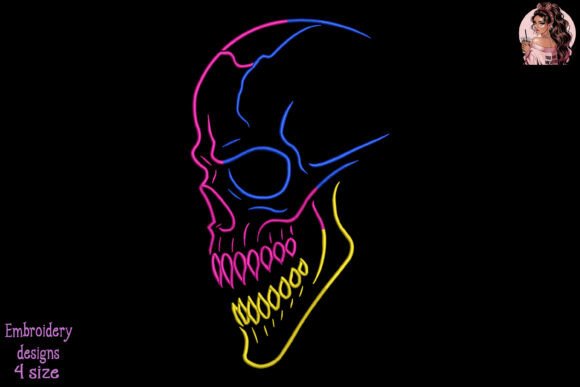
When I first pulled up the file for Neon Reaper Embroidery, my initial reaction was one of cautious curiosity. As an experienced designer who has spent countless hours digitizing and stitching thousands of designs, I know that high-contrast themes can be tricky. The concept fuses the ominous, traditional silhouette of the Grim Reaper with bold, electric neon details. It is a striking juxtaposition. But does it translate well from screen to fabric? After running several test stitches and evaluating its potential for real-world commercial use, I have formed a clear opinion on where this design shines and where it requires careful handling.
First Impressions and Visual Impact
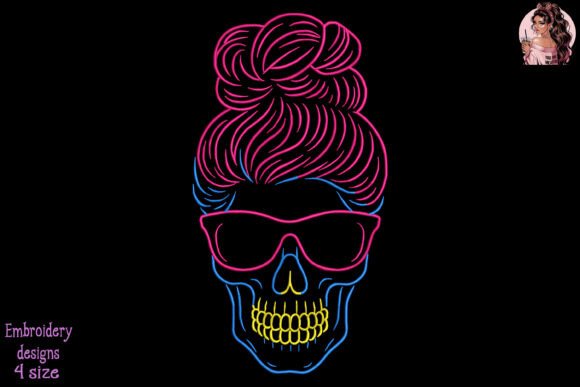
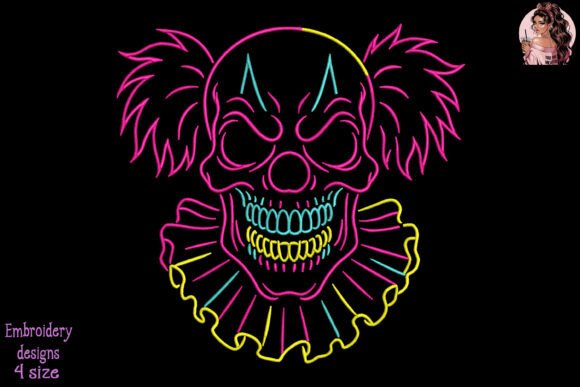
The mood of this piece is immediately distinct. It does not rely on subtle shading or complex gradients, which is a smart move for machine embroidery. Instead, it uses sharp lines and vibrant color blocks to create a "glow" effect against dark backgrounds. For embroidery designers and Etsy sellers, this visual clarity is crucial. A design that looks muddy after stitching will not sell, regardless of how good the digital preview looks. Neon Reaper Embroidery maintains its integrity because the layout prioritizes shape and contrast over minute detail.
The visual personality is bold and modern. It feels less like a spooky costume prop and more like a piece of streetwear art. This makes it versatile beyond just seasonal Halloween projects. While it fits perfectly into October-themed collections, its aesthetic also appeals to gothic fashion enthusiasts, metal music fans, and anyone who appreciates edgy, contemporary design assets.
Real-World Application: The Sweatshirt Test
To truly evaluate a machine embroidery design, you must imagine it on a finished product. I recently prepared a custom order for a client wanting a unique gift for her brother, who loves alternative fashion. We decided on a heavy-weight black cotton sweatshirt. This was the ideal canvas for Neon Reaper Embroidery.
On the dark fabric, the neon thread colors popped aggressively, exactly as intended. The satin stitch borders provided a clean, raised edge that framed the inner fill stitch areas beautifully. The customer was thrilled with the result, noting that the design looked professional and durable. This scenario highlights why this design works so well for custom apparel. It transforms a basic garment into a statement piece. For small shop products, this kind of high-impact visual is what stops scrollers on social media and drives engagement.
Versatility Across Product Lines
Beyond apparel, I see strong potential for this design in other categories. Consider an embroidered patch. The bold outlines make it easy to cut and merge, creating a durable accessory that can be ironed or sewn onto jackets, bags, or hats. For tote bag design, placing this on a natural canvas or black denim creates a striking contrast that appeals to younger demographics.
However, context matters. I would hesitate to use this specific neon palette for baby embroidery or delicate nursery decor. The theme is too intense for soft, pastel-oriented markets. Instead, focus on holiday embroidery for adults, boutique branding for alternative clothing lines, or personalized gifts for friends who appreciate dark humor and bold aesthetics. It is a powerful tool for craft business owners who want to differentiate their inventory from the typical floral or cute animal designs saturating the market.
Technical Considerations and Stitching Advice
While the design is visually strong, practical execution requires attention to detail. Here are my notes for fellow makers:
- Fabric Choice: This design performs best on stable, medium-to-heavy weight fabrics. Avoid thin, stretchy materials unless you use a very robust stabilizer. The density of the neon fill areas can cause puckering on lightweight cottons if not properly supported.
- Thread Colors: The "neon" effect relies entirely on your thread selection. Use high-sheen rayon or polyester threads in bright lime, electric blue, or hot pink. Do not substitute with matte cotton threads, as they will absorb light rather than reflect it, killing the glow effect.
- Stitch Density: Check the density settings in your software before stitching. If the fill stitch areas are too dense, the fabric may become stiff. If you are stitching on a cap or curved surface, reduce the density slightly to prevent distortion.
- Hoop Size: Ensure your hoop size accommodates the full width of the Reaper’s cloak. Cropping the design can ruin the balance. Always check the dimensions in your embroidery file viewer before loading it onto the machine.
For those using this as an applique design, consider using a black felt base for the Reaper’s body and only embroidering the neon outlines and facial details. This reduces stitch count, saves time, and adds a interesting textural contrast between the fuzzy felt and the shiny thread.
Commercial Viability and Brand Consistency
For commercial embroidery projects, consistency is key. Neon Reaper Embroidery offers a consistent look that can help build brand recognition. If you are an Etsy seller specializing in gothic or alternative goods, this design reinforces your brand identity. It signals to buyers that you understand their aesthetic preferences.
When creating printable mockup images for your online store, ensure you photograph the stitched item in low light or with dramatic lighting to enhance the neon effect. Flat, bright studio lighting might wash out the vibrancy. Show the finished product in a lifestyle setting—perhaps on a leather jacket or a backpack—to help customers visualize how they will use it.
Final Verdict
Neon Reaper Embroidery is a solid addition to any designer’s library, provided it is used in the right context. It is not a universal design; it will not work for every client or every fabric. However, for the right project—such as a bold sweatshirt embroidery piece, a custom patch, or a standout holiday gift—it delivers exceptional visual impact.
Before selling items made with this digital embroidery file, always confirm the licensing terms. Ensure you have the right to use it for commercial purposes if you plan to sell the handmade product. Test it on scrap fabric first to dial in your tension and stabilizer choices. When executed with care, this design elevates the perceived value of your work, turning a simple stitch-out into a compelling piece of wearable art. It is a reminder that in embroidery, as in life, sometimes you need to embrace the shadows to let the light shine brightest.