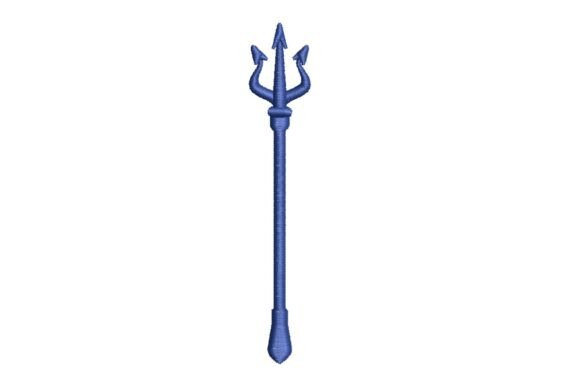
Nautical Trident Embroidery Design Review
As an embroidery designer who has spent years digitizing logos and testing files for small business clients, I approach every new machine embroidery design with a critical eye. It is not just about whether the image looks good on a screen; it is about how that digital file translates into thread on fabric. Today, I am reviewing the Nautical Trident Embroidery Design, a piece that promises to bring maritime strength to branded merchandise. For boutique owners, Etsy sellers, and apparel decorators, understanding the practical application of this design is crucial before committing to production runs.
First Impressions and Visual Personality
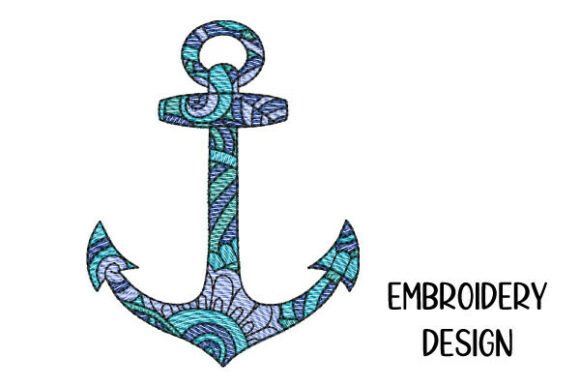
The moment you load the preview of the Nautical Trident Embroidery Design, the visual impact is immediate. This is not a whimsical or overly playful graphic. Instead, it projects a sense of classic authority and naval strength. The description highlights a long, textured shaft and distinctive three-pronged head, which suggests a design that relies heavily on texture rather than just solid fills. In the context of Beach themed collections, this stands out as a more mature, premium option compared to typical cartoonish sea creatures.
For a handmade brand or a creative studio, this aesthetic communicates durability and tradition. It feels professional and bold. If your brand identity leans towards rugged outdoor gear, high-end coastal lifestyle products, or maritime heritage, this design aligns perfectly. However, if your brand is soft, pastel, and delicate, this trident might feel too aggressive unless scaled down significantly and stitched in muted thread colors.
Real-World Business Applications
When evaluating a digital embroidery file for commercial use, we must look beyond the logo itself and consider the canvas. Here is how the Nautical Trident Embroidery Design performs across various small business merch categories:
- Embroidered Patches: This is arguably the strongest use case. The textured shaft described in the product details suggests that the design will hold up well as a standalone patch. Patches allow for higher stitch density without worrying about fabric puckering, making the intricate details of the trident pop. These can be sold as add-ons or used to brand tote bags and jackets.
- Custom Apparel and Uniforms: For staff uniforms at a seaside café or a boat charter company, this design works excellently as a chest logo accent. It is recognizable from a distance, which aids in brand recognition. However, care must be taken with sleeve details, as the length of the shaft might distort on curved arms if the hoop size is not appropriate.
- Cap Embroidery: Placing this on the front of a cap requires careful consideration of the curve. The vertical nature of the trident is generally favorable for cap fronts, but the width of the three prongs must fit within the standard cap frame. If the design is too wide, it may wrap around the sides, causing stitching issues.
- Tote Bag Design and Apron Embroidery: Canvas and denim are forgiving fabrics that handle the weight of embroidery well. Using this trident on a heavy-duty tote bag or a workshop apron adds a perceived value to the handmade product. It transforms a basic utility item into a branded asset.
Technical Considerations for Production
While the aesthetic is strong, the technical execution determines the quality of the finished product. The description mentions a "textured shaft," which implies complex stitch patterns. Here are the critical factors to check before running this file on your machine:
- Stitch Density and Fabric Texture: High-density textures can cause puckering on lightweight fabrics. If you are embroidering on thin cotton t-shirts, you must use a high-quality cut-away stabilizer. For heavier materials like denim or canvas, a tear-away might suffice, but always test first. The density must be balanced to ensure the trident does not become stiff or board-like.
- Thread Colors and Contrast: To maintain the "naval strength" vibe, contrast is key. A dark navy trident on a white shirt is classic, but consider metallic threads for a premium look on black garments. Always check how the thread colors interact with the fabric texture. Dark uniforms may require a lighter underlay or specific thread shades to ensure the design remains visible.
- Hoop Size and Scaling: Before purchasing, verify the available hoop sizes. If the design is only available in large formats, it may not be suitable for small pocket logos or tiny labels. You need to confirm that the design retains its integrity when scaled down. Tiny lettering or fine details can merge if the scale is reduced too much, turning a sharp trident into a blurry blob.
Impact on Brand Identity and Customer Trust
Consistency in brand identity builds trust. When a customer sees the same high-quality Nautical Trident Embroidery Design on your website mockups, your packaging, and the actual product, it reinforces professionalism. A poorly executed embroidery job, with loose threads or misaligned stitches, can damage a small business's reputation quickly. Conversely, a crisp, well-digitized trident signals attention to detail.
For Etsy sellers and craft businesses, offering items with this design can differentiate your shop from competitors using generic print-on-demand services. Embroidery has a tactile quality that prints lack. It suggests longevity and care. When used on customer gifts or event merch, it creates a lasting impression. The perceived value of an embroidered item is typically higher, allowing for better profit margins on your small business merch.
Practical Designer Notes for Implementation
Before you commit to a full production run, follow these steps to ensure success with the Nautical Trident Embroidery Design:
- Test in Black and White First: Remove color from the equation to check the contrast and definition of the textured shaft. If it looks muddy in grayscale, it will likely look messy in color.
- Create a Printable Mockup: Use design assets to place the trident on various product images. This helps visualize the scale relative to the garment. Show this mockup to clients for approval before stitching.
- Check Commercial Licensing: Ensure the license terms for the embroidery file allow for commercial use. Some designers restrict the number of physical items you can sell. Since this is for commercial embroidery, clarity on rights is essential.
- Inspect Spacing and Jump Stitches: Open the file in your editing software. Check for excessive jump stitches that could snag on clothing. Trim them where necessary to ensure a clean finish.
- Verify File Formats: The product description does not specify exact file formats. Ensure you purchase a version compatible with your specific machine brand (e.g., PES, DST, JEF) to avoid conversion errors that can alter stitch counts.
In conclusion, the Nautical Trident Embroidery Design is a robust choice for businesses looking to convey strength and heritage. It excels in patches and heavy fabrics but requires careful handling on lighter materials. By paying attention to stabilizer choice, thread contrast, and scaling, you can leverage this design to elevate your brand’s visual consistency and product value. Always prioritize a test stitch on your actual fabric stock to guarantee the quality your customers expect.