Fresh Greek Salad Embroidery Design Review
As an embroidery designer who has spent countless hours digitizing and stitching out designs for clients, I have developed a keen eye for what makes a machine embroidery design truly stand out in the marketplace. It is not just about the visual appeal on the screen; it is about how that design translates to fabric, how it holds up under the needle, and ultimately, how it resonates with the person receiving the finished piece. Recently, I came across the Fresh Greek Salad Embroidery Design on Creative Fabrica, and I felt compelled to evaluate it through the lens of a professional creator looking for high-quality assets for handmade gifts and personalized products.
First Impressions: A Burst of Culinary Charm
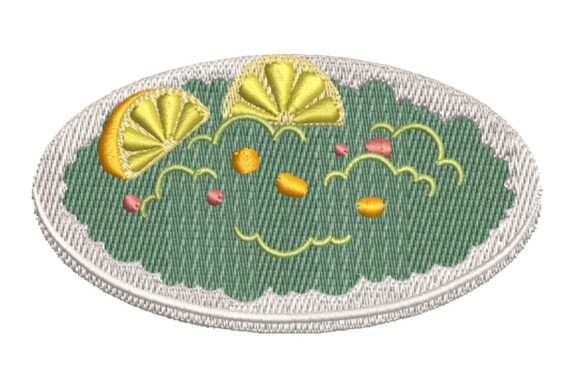
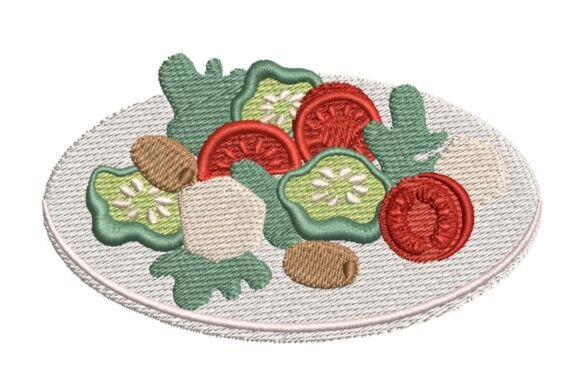
The first thing that strikes you about this design is its vibrant energy. In a world where many food-themed embroideries can look flat or overly simplistic, this piece offers a delightful level of detail. The description notes a colorful and appetizing Greek salad artfully arranged on a light grey oval plate, and the visual representation lives up to that promise. The prominent green bell peppers and other textured ingredients are rendered with a sense of depth that suggests freshness.
From a design perspective, the color palette is crucial. The interplay of greens, reds, whites, and the neutral grey of the plate creates a balanced composition that feels modern yet cozy. It does not scream for attention in a chaotic way; rather, it invites the viewer in with a sense of homemade warmth. This emotional appeal is vital for anyone selling personalized gifts. When a customer sees this design on a tote bag or an apron, they do not just see food; they see a lifestyle, a love for cooking, and a touch of Mediterranean elegance.
Versatility for Handmade Products
One of the strongest aspects of the Fresh Greek Salad Embroidery Design is its versatility. While it is categorized under Food, its application extends far beyond a simple kitchen motif. For Etsy sellers and small shop owners, this design opens up numerous avenues for product creation.
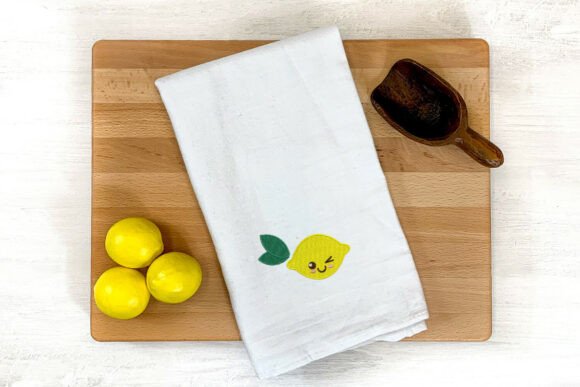
- Kitchen Textiles: This is the most obvious fit. Imagine this design stitched onto a high-quality linen embroidered towel or a sturdy cotton apron. The grey plate provides a nice contrast against white or cream fabrics, while the vibrant vegetables pop against darker navy or charcoal backgrounds.
- Home Decor: Consider using this design on a pillow cover for a dining nook or a summer patio set. It adds a playful yet sophisticated touch to interior design.
- Tote Bags and Accessories: With the rise of eco-conscious shopping, a canvas tote featuring this fresh salad design would be a bestseller at craft fairs. It appeals to those who love fresh produce and sustainable living.
- Gift Items: For wedding gifts or housewarming presents, pairing this embroidery with a custom recipe card or a set of wooden salad bowls creates a cohesive and thoughtful gift package.
While this specific design might not be the primary choice for baby embroidery due to its culinary theme, it could certainly find a place in a family-oriented nursery if the parents are food enthusiasts, perhaps on a bib for a toddler who is starting to explore solid foods. However, its primary strength lies in adult-focused handmade products and home goods.
Technical Considerations for Stitching
As a practitioner, I always look beyond the pretty picture to the technical realities of stitching. When working with a design that features multiple colors and textured elements like a Greek salad, several factors come into play.
Stitch Density and Fabric Texture: The description mentions various textured ingredients. In machine embroidery, texture is created through stitch direction and density. If you are stitching this on a fabric texture that is rough, such as a waffle-weave towel, you must ensure the stitch density is sufficient to cover the fabric without being so dense that it causes puckering. A test stitch-out is non-negotiable here. Always stitch a sample on a scrap piece of your intended final fabric to check for registration issues.
Thread Colors and Contrast: The success of this design hinges on accurate thread colors. The green of the bell peppers needs to be vibrant, not muddy. The white of the feta cheese (implied in a Greek salad) must stand out against the other ingredients. If you are stitching on dark fabric, you may need to adjust the underlay or use a lighter backing to ensure the colors remain true. Conversely, on light fabrics, ensure your bobbin thread matches the top thread to avoid visible dots of contrasting color in large fill areas.
Stabilizer Choice: Given the likely size of the plate and the detailed ingredients, a cut-away stabilizer is recommended for garments like aprons or tote bags that will undergo frequent washing and wear. For home decor items like pillow covers that experience less stress, a tear-away might suffice, but always prioritize stability to prevent distortion of the oval plate shape.
Building Trust and Value for Your Customers
For those running a small business, the quality of your digital embroidery file directly impacts your brand reputation. A well-digitized design like the Fresh Greek Salad Embroidery Design enhances the perceived quality of your finished product. When customers receive an item with clean stitches, no thread breaks, and accurate color representation, they trust your craftsmanship. This leads to repeat buyers and positive reviews.
Moreover, the visual appeal of this design aids in marketing. It is highly photogenic, making it ideal for creating printable mockup images for your online store. A crisp, colorful image of this salad on a crisp white napkin can significantly boost buyer engagement on platforms like Etsy. It tells a story of freshness and care, which is exactly what customers look for in custom embroidery items.
Practical Steps Before You Stitch
Before you commit to producing a batch of items, take these practical steps:
- Review File Details: Check the product page on Creative Fabrica for specific file formats compatible with your machine. Ensure the hoop size required fits your equipment.
- Check Licensing: Understand the terms for commercial embroidery. Most designs on Creative Fabrica allow for the sale of physical finished products, but always verify the current license terms to protect your business.
- Test and Refine: Stitch out the design on your actual production fabric. Check small details after stitching. Are the edges of the plate smooth? Do the small pieces of vegetable look distinct or merged?
- Consider Washing Durability: If creating items like towels or aprons, wash your test piece to ensure the threads do not bleed and the design remains intact.
In conclusion, the Fresh Greek Salad Embroidery Design is a charming and technically promising addition to any embroidery designer’s library. It bridges the gap between playful food art and elegant home decor, offering ample opportunity for creative expression in handmade gift markets. By paying attention to the technical nuances of stitching and leveraging the design’s visual appeal, you can create products that not only look beautiful but also stand the test of time and use.